
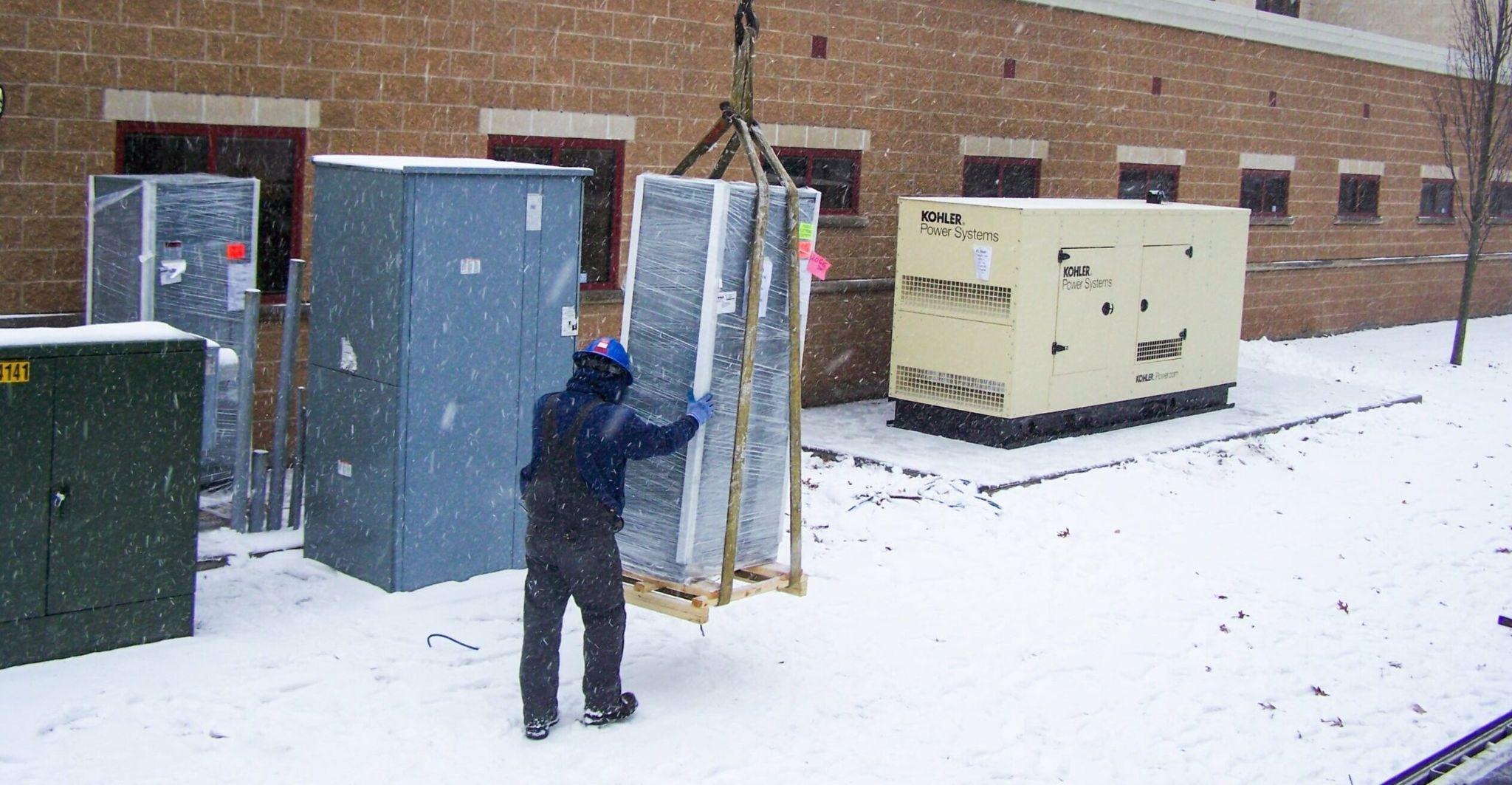
Darkness doesn’t wait for an invitation. Just like that – streaming stops, screens die, refrigerated food begins to spoil. What’s different now? People want control back, so they choose Kohler emergency generators.
Whole-home generators used to feel like extras. Now they’re part of the basics. Belasco Electric has seen plenty of changes over the years. This one stands out. What felt optional before now fits right into daily needs. The year 2026 shows it clearly – backup power isn’t just for emergencies anymore.
This blog digs into the real reason Kohler emergency generators are seeing more setups lately. What sets them apart from others on the market shows up clearly when you compare features side by side.
What’s Driving the Whole-Home Generator Movement?
Now talking about backup power feels different somehow. Not long ago, people kept generators just in case something went wrong. These days, blackouts happen often, folks run jobs from home, plus someone might rely on a machine to stay alive. Right in that shift stands the Kohler emergency generator – not due to any flashy ads, but simply tapping into what houses now expect. Eight specific reasons are cited below for why installations have increased in 2026, and why this trend is not reversing.
1. Grid Instability Isn’t a Future Problem—It’s Happening Now
Storms act more strongly now. Old pipes and wires crumble while city budgets lag behind. Eight hours without electricity hits most households each year, sometimes more – that number has grown sharply over the past ten years. What was rare is common. Utilities report blackouts happen far more often than they did long before.
A single blink of the lights – that is your only warning before everything shifts. When the main supply falters, the Kohler generator takes hold without being told. Seconds pass, maybe less, then steady power flows again through smart switching. You stay seated. You do not run to check circuits or flip levers. Power moves like it never left. The machine handles changeovers on its own.
Folks aren’t setting up backup power because they fear some far-off crisis. Instead, repeated blackouts have already ruined meals, delayed work, left homes too hot or cold – real problems they’ve lived through.
2. Home Office Dependence Changed the Calculation
Power outages hit harder now that jobs are mostly online. Because paychecks are tied to steady connections, blackouts mean cuts into earnings. With bosses counting on access anytime, electricity became less about comfort, more about keeping work alive. Losing it? That shifts downtime from hassle to real cost.
When the lights go out, Kohler generators ensure that work keeps moving. That’s how remote teams stay online without hiccups. Uploads push through without stalling. Missed deadlines fade into rare moments, if they happen at all.
Out in the suburbs, where more people work from home, that’s where most setups are happening now. Not because someone prefers machines over hand tools, but because downtime costs too much in missed deadlines and client trust. What matters isn’t just power – it’s staying reliable when expectations don’t pause.
3. Medical Equipment at Home Demands Zero Tolerance for Outages
Power fails. For someone who needs it, a CPAP machine abruptly stops breathing. Without electricity, dialysis at home is unachievable. An oxygen concentrator falls silent mid-cycle. Medicine stored in medical fridges begins to warm. When the grid goes down, these devices do not pause – they fail. Lives depend on a steady current. Recovery time means nothing here.
When the electricity goes out, Kohler emergency generators keep hospitals operating because they have built-in backup systems that others leave out. Should one fuel source, like natural gas, drop, the system just changes to propane without skipping a beat. While most units wait for trouble, they watch themselves every second, spotting weak points early.
When a household relies on medical devices, power isn’t optional. Generators aren’t extras – they’re as essential as walls or heat. Knowing the fridge runs, oxygen flows, and lights stay on – this stability matters more than cost.
4. The Technology Became Smarter and Less Noticeable
Out back, old generators used to roar like a plane readying for a takeoff. Today’s Kohler emergency models hum along between 59 and 67 decibels – about as loud as people talking across a dinner table.
What stands out is the smarter tech inside. From your phone, Kohler’s OnCue checks how the generator’s doing, while also setting upkeep dates ; alerts pop up if something seems off. Running on its own every seven days, it tests itself just to make sure everything works; there’s no need for anyone to step in. Because of that routine, preparedness stays constant, hands-off.
Far from the old models contractors used back in 2010. Each flaw of earlier versions – too loud, hard to track, needing hands-on checks, slow to kick on – has been reworked through smarter design.
5. Whole Home Protection Beats Partial Fixes
Frozen food spoils fast when power fails – so old generators pose a choice: pick cold storage or a working Wi-Fi signal. Cooling systems roar to life, yet the stove stays silent. A breathing machine sputters unless lights go dark somewhere else. Each outlet becomes a gamble, every cord a compromise.
Fewer worries pop up when a Kohler backup generator matches your home’s needs. This setup keeps every circuit alive, so lights stay on even if the main supply cuts out. Power flows just like usual, no matter the weather or outage length.
Failing power? No problem – everything keeps going, not only the things you managed to plug in while stumbling around. A full solution skips the hassle and mental drain small gadgets bring when the lights go out.
6. Real Estate Value Impact Is Measurable
Now, home appraisers make sure to write down if there is a permanent generator. Starting at five grand, Kohler standby generators can climb upto fifteen thousand dollars. Size matters here – bigger units cost more. What you pay ties directly to how it is built and what it powers.
Folks looking at homes now often check whether there’s backup power, especially where storms regularly knock out electricity. A generator isn’t just an add-on anymore – instead, it sits alongside solar panels and efficient heating and cooling systems as a key detail that sets houses apart in busy areas.
Should trouble hit the power lines, having a system ready means your house stays competitive. When more people worry about outages, buyers slow down on properties missing that safeguard.
7. Installation Quality Determines Long-Term Reliability
What makes Kohler emergency generator setups work well isn’t just luck – it’s skilled wiring handled by experts. Permits matter too, since skipping paperwork often leads to delays down the line.
Sometimes mistakes happen when people pick electricians just because they’re cheaper. Belasco Electric has seen plenty of broken setups like that. Faulty math on power needs shows up a lot. Wires too thin for the job appear regularly. Safety steps for switching systems get skipped more than you would think. Rules ignored today mean headaches with coverage later.
A generator alone won’t guarantee power – the way it’s set up makes all the difference between decades of steady operation or a breakdown when needed most. While Kohler builds units meant to last, their long-term performance hinges on precise setup and proper switching systems, because without smart load handling, even solid engineering falls short.
8. The Cost Equation Shifted With Frequent Outages
Spending anywhere between $5,000 to $15,000 might feel steep at first glance – especially when it is for a Kohler backup power system. Yet consider what happens without one: groceries ruined by long blackouts. Nights spent paying high rates at motels just to escape freezing pipes or sweltering rooms. Unfinished projects are stacking up as the internet keeps dropping out. Health concerns develop when someone depends on electric-powered medical equipment. The math shifts once those pieces add up.
When a house faces several blackouts each year, it does not take long to get back what you spent. A single storm pushing families into motels might cost a thousand dollars- cash drained fast, yet avoidable with a Kohler backup unit.
Picture it like a safety net, not some fancy extra. Instead of buying comfort every now and then, you stop the same problems from coming back again. What looks expensive at first turns out to save more over time.
Why Professional Installation Makes All the Difference
Flickering lights won’t disappear anytime soon. When the grid drops, Kohler emergency generator units kick in by themselves, covering your entire house. Belasco Electric handles setup exactly how it should be done – engineered correctly, permitted fully.
Count on steady electricity just when things go dark. A no-cost checkup waits whenever you’re ready.
Commonly Asked Queries
Q: What is the run-time of a Kohler emergency generator?
Year after year, when maintained properly, Kohler generators tend to keep going strong between two and three decades. Built tough, their engines can handle endless running time.
Q: Can a generator power my entire house?
Sure, if it’s the correct size. Not every home requires the same power setup – first, a qualified electrician checks what your household actually uses. Capacity might range between 14kW and 48kW; recommendations are then made depending on that assessment.
Q: What fuel do Kohler generators run on?
Home units by Kohler usually tap into your current natural gas supply. Some versions work with both fuels, so propane can step in when needed – especially useful if power stays off for days. Not every model does this, but several do.


